What I'm About.
What I'm About.
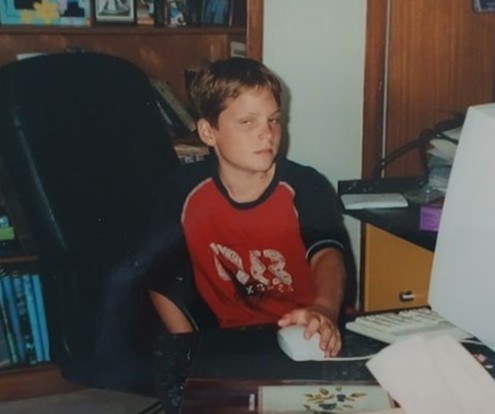
I was twelve when I had my first experience with Unreal Engine. A friend from school gave me the game files to Unreal Tournament and I accidentally opened the editor.
It quickly dawned on me that I could mod literally every aspect of the game, from levels to characters and weapons.
The artistic freedom it gave me felt like crack, and my parents quickly had to limit me to one hour a day to preserve some semblance of a normal childhood.
It didn't take long before that artistic drive became a competitive streak. My career path became clear, and mastering game development became the only future I dreamt of.
Before landing my first job, I pictured a community full of creatively obsessed artists just like me. Instead, I found rooms full of people waiting for 5pm. The community of excellence I'd spent a decade chasing seemed to be full of mediocrity and exhaustion. For a while, I accepted it as part of the job. But the longer I stayed, the more I noticed something strange. Not everyone was like this. There was a pattern, and it wasn't related to talent or effort, It was motivation.
Take the average person who gets into game art. They love playing video games, and they love the idea of building their own worlds, and that's a perfectly natural place to start. But that's also precisely the problem. The motivation to make your own games is fundamentally different from the motivation required to spend years solving someone else's problems. When the work stops being your dream, what keeps you pushing?
Ever since I was twelve, my motivation came from somewhere different. Curiosity, tinkering, mastery, and the act of creation itself. I was a fascinated problem-solver and inventor, developing physical contraptions before i even touched a computer. I wasn't even particularly passionate about games when I discovered 3d Art. I was just fascinated by what I could do with the technology in front of me.
Looking back, I think this explains something I've repeatedly seen in the games industry. Passion for games can get people started, but it doesn't necessarily sustain them through the difficult, repetitive work required to become excellent. Technical curiosity can produce highly competent work, but without artistic vision, that work can also become hollow.
The real staying power comes from the collision of the two: devious curiosity paired with artistic vision.
And that's the foundation I built Etherion Designs on:
A studio where curiosity is an asset, experimentation is encouraged, and difficult problems are something to obsess over. Where beautiful work isn't enough if it can't be made better, faster, or more efficiently.
My goal is to make things that would have blown my twelve-year-old mind, whether that's through art, technology, shaders, or some ridiculous technical problem nobody thought worth solving. And I won't care if the dream is mine or yours. So long as it involves a difficult problem and a clear goal, it'll be no different to me than crack 😂
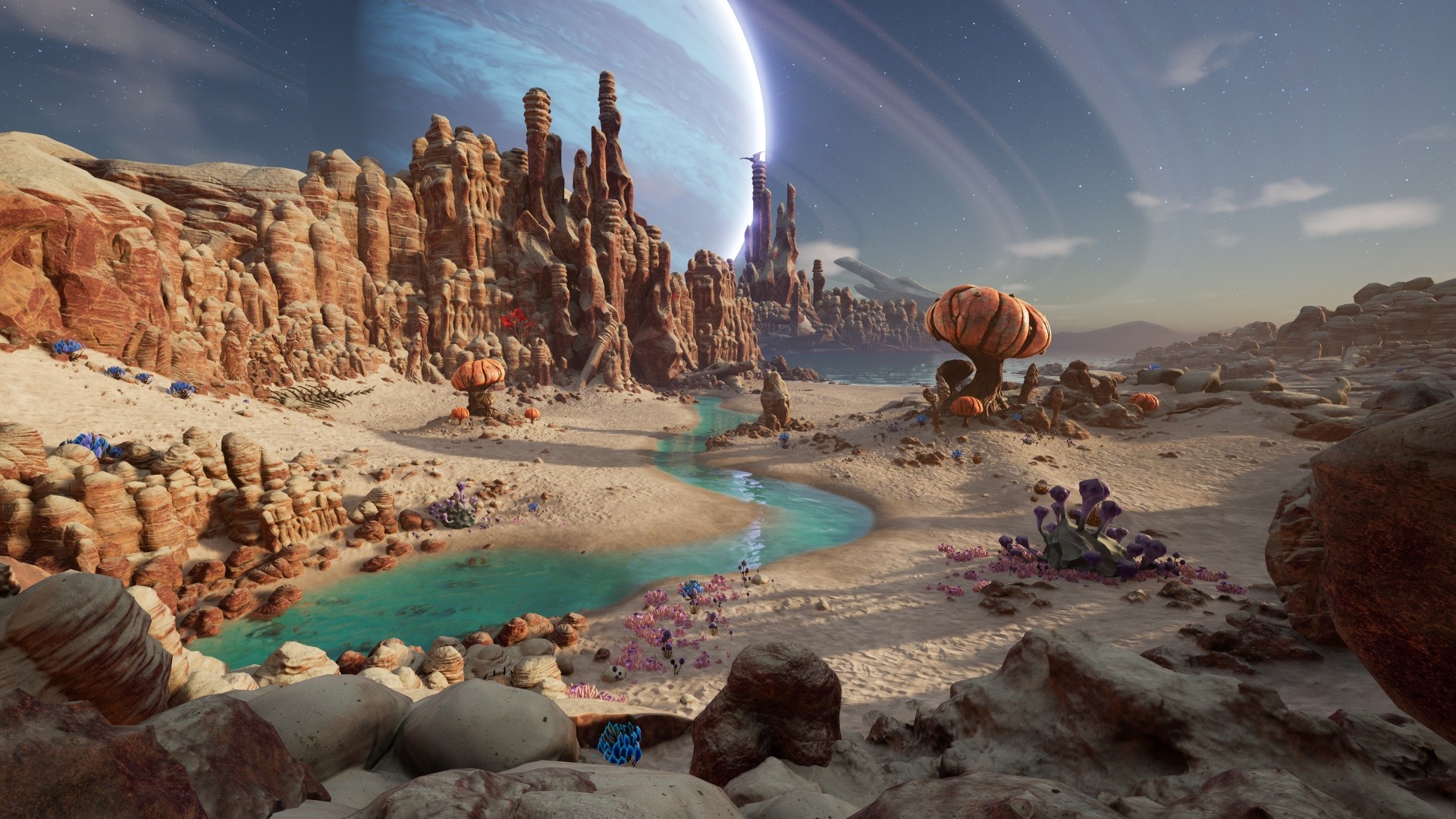
Etherion Designs
My approach to game art is simple: understand the problem before making the asset. I care about how something looks, but also how it works, how it performs, how it fits the game, and how efficiently it can be produced.
The best result isn't just a beautiful asset, it's a solution that makes the whole game better.
The best result isn't just a beautiful asset, it's a solution that makes the whole game better.
Games I've produced for:
Games I've produced for:
(2016-26©)
/2025
/2025
/2025
/2025
/2025
/2025

/2024
/2024
/2024

/2024
/2024
/2024

/2023
/2023
/2023

/2020
/2020
/2020
© 2026 Etherion Designs
Let’s talk.
Have a project in mind? Reach out, and we’ll discuss the best way to move forward.
Quick response.
If you’re ready to create and collaborate, I’d love to hear from you.
Clear next steps.
After the consultation, I’ll provide you with a detailed plan and timeline.
© 2026 Etherion Designs
Let’s talk.
Have a project in mind? Reach out, and we’ll discuss the best way to move forward.
Quick response.
If you’re ready to create and collaborate, I’d love to hear from you.
Clear next steps.
After the consultation, I’ll provide you with a detailed plan and timeline.
Let’s talk.
Tell me about your project! I'd love to chat!
Quick response.
If you’re ready to create and collaborate, I’d love to hear from you.
Clear next steps.
After the consultation, I’ll provide you with a detailed plan and timeline.